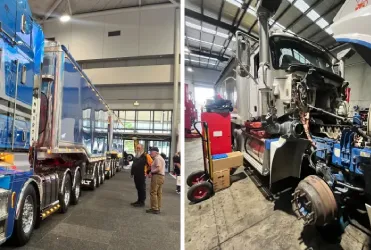
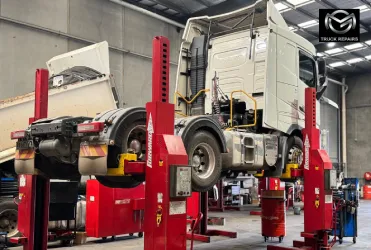
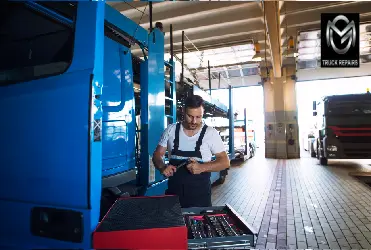
Truck and trailer faults can develop quietly before they affect how a vehicle performs on the road. A worn brake component, damaged tyre or loose trailer connection can become a serious problem when left unchecked. Regular inspections help identify these issues earlier, giving owners and operators time to arrange truck and trailer repairs before a minor fault leads to costly downtime.
For transport businesses, vehicle reliability affects delivery schedules, operating costs and driver safety. A thorough safety check looks beyond visible damage and considers the condition of key mechanical, electrical and trailer components. Regular inspections can therefore help operators plan maintenance, reduce unexpected interruptions and keep heavy vehicles ready for daily transport work.
How Safety Checks Protect Your Truck, Trailer and Drivers
A truck or trailer can develop faults long before changes become obvious to the driver. Regular safety checks can identify worn brakes, damaged tyres, suspension issues and loose connections before they contribute to a breakdown or affect vehicle control. Addressing these problems early can reduce the risk of a minor fault developing into a larger repair.
Safety checks protect more than the vehicle itself. A problem with the brakes, steering or trailer connection can put drivers, cargo and other road users at risk. Routine inspections give operators a clearer picture of vehicle condition while allowing repairs to be planned before they cause unnecessary disruption.
What Is Checked During a Truck and Trailer Safety Inspection?
A truck and trailer safety inspection covers the systems and components that affect braking, handling, visibility and vehicle stability. The exact checks can vary according to the vehicle and how it is used, but they generally include mechanical systems, tyres, electrical components, trailer connections and load security. Identifying worn or damaged parts can help operators arrange truck repairs before a fault affects vehicle performance.
What Can Drivers Check Before Hitting the Road?
Drivers can identify many visible issues through basic pre-start checks before beginning a journey. These checks do not replace scheduled servicing or a detailed mechanical inspection, but they provide an opportunity to spot obvious problems before the vehicle takes to the road. Any unusual condition should be reported and assessed rather than ignored.
- Tyres: Check for visible damage, unusual wear and signs of incorrect inflation
- Lights: Test headlights, indicators, brake lights and trailer lights
- Mirrors: Check that mirrors are clean, secure and provide clear visibility
- Leaks: Look for signs of oil, coolant, air or other fluid leaks
- Couplings: Check trailer connections and related safety components
- General Condition: Look for loose, damaged or unusual parts
These checks take little time but can reveal issues that might otherwise go unnoticed. If something looks different or the vehicle feels unusual, arranging an inspection can help determine whether truck servicing or repairs are required.
How Do Safety Checks Help Reduce Repair Costs?
Small faults can become more expensive when they remain untreated. A worn component may place additional pressure on connected parts, increasing the chance of further damage as the vehicle continues to operate. Regular inspections give operators an opportunity to deal with developing problems before they require more extensive repairs.
Planned maintenance can also be easier to manage than an unexpected breakdown. Instead of taking a vehicle off the road during a delivery or scheduled run, operators can arrange repair work around their operating requirements. This can help control downtime while protecting the condition of the truck and trailer.
How Can Safety Checks Prevent Truck and Trailer Breakdowns?
Many breakdowns are preceded by signs such as unusual noises, vibration, leaks or changes in vehicle handling. These symptoms can indicate that a component is wearing or no longer working as it should. Having the issue assessed when it first appears creates an opportunity to address the fault before it causes a complete failure.
Regular inspections also help operators keep track of recurring maintenance needs. Components showing signs of wear can be monitored and replaced at an appropriate time rather than being left until they fail during a delivery or long-distance journey. This can help keep vehicles available for work and reduce unexpected interruptions.
What Problems Can Be Found During an Inspection?
A detailed inspection can reveal problems that are not always obvious during normal driving. Some faults affect vehicle performance immediately, while others develop gradually through repeated use, heavy loads or demanding road conditions. Identifying these issues gives operators a clearer idea of which repairs need attention first.
Common problems can include:
- Worn brake components
- Damaged or unevenly worn tyres
- Steering and suspension wear
- Electrical faults
- Air or fluid leaks
- Engine and cooling system problems
- Transmission issues
- Damaged trailer connections
- Worn coupling components
- Structural damage or corrosion
Not every issue will require the same repair or level of attention. A proper assessment can help determine the cause of the problem and whether a component needs repair, replacement or ongoing monitoring.
How Often Should Trucks and Trailers Be Safety Checked?
There is no single inspection schedule that applies to every truck and trailer. The appropriate frequency can depend on the vehicle, kilometres travelled, load, operating conditions, manufacturer recommendations and applicable Australian requirements. Daily pre-start checks should work alongside routine inspections and scheduled maintenance suited to the vehicle.
Additional checks may be appropriate before long-distance journeys or when a vehicle develops unusual noises, vibration, braking changes or other warning signs. Keeping maintenance records can also help operators track repairs and identify recurring issues. This makes it easier to plan maintenance before faults interfere with regular transport operations.
What Are the Warning Signs Your Truck or Trailer Needs an Inspection?
Changes in how a vehicle sounds, handles or performs should not be dismissed as normal wear. A truck that starts vibrating, braking differently or making unfamiliar noises may be showing signs of a developing mechanical fault. Trailers can also provide warning signs through uneven tyre wear, unusual movement or problems with their connections.
Watch for signs such as:
- Unusual braking behaviour
- Steering that feels different
- Excessive vibration
- New mechanical noises
- Uneven tyre wear
- Dashboard warning lights
- Air or fluid leaks
- Faulty lights
- Trailer instability
- Loose or damaged components
Acting on these signs early can make it easier to identify the cause and arrange the right repair. Delaying an inspection may allow the problem to affect additional components or cause an unexpected breakdown.
What Happens After a Fault is Found During a Safety Check?
Finding a fault is only the first step. The next stage is determining what caused the problem, how serious it is and whether other components have been affected. This helps operators prioritise repairs based on the vehicle’s condition rather than waiting for the problem to become more disruptive.
From brakes and suspension to steering, electrical systems, engines and trailer components, the required repair will depend on what the inspection reveals. Addressing the right problem can help restore vehicle performance and reduce the chance of further damage. For businesses that rely on regular transport operations, timely repairs can also help limit unnecessary downtime.
Keep Your Truck and Trailer Ready for the Road
Regular safety checks give truck owners and operators a clearer picture of vehicle condition. They can help identify developing faults, reduce unexpected breakdowns and prevent smaller problems from turning into larger repair bills. More importantly, they give drivers greater confidence that important components have been checked before another journey begins.
If your truck or trailer is showing unusual behaviour, visible damage or signs of wear, arranging an inspection can help identify the issue before it causes greater disruption. Contact G M Truck Repairs for truck and trailer repairs in Laverton North and discuss the right repair or maintenance solution for your vehicle.
Call (03) 9077 5661 or 0403 895 502, or email admin@gmtruckrepairs.com.au to book an inspection or discuss your truck and trailer repair needs.